The 8×10-inch frame is one of the most popular standard frame sizes in the United States, especially for photographs, portraits, and small art prints. Other commonly used sizes include 4×6, 5×7, 11×14, and 16×20 inches, depending on the type of artwork and how it will be displayed.
For posters and larger wall art, 18×24-inch and 24×36-inch frames are also common choices. In European markets, 30×40 cm, 40×50 cm, and 50×70 cm are popular standard sizes worth considering.
However, there is no single frame size that is the most popular worldwide. Standard sizes vary depending on whether you are framing photographs, art prints, or posters, and preferences can differ between countries and retail markets.
Common Frame Sizes in the United States and Europe
Frame sizes vary by market and intended use. In the United States, measurements are typically given in inches, while many European markets commonly use centimeters.
Common Frame Sizes in the United States
| Frame Size | Approximate Metric Equivalent | Common Uses |
|---|---|---|
| 4×6 inches | 10.2×15.2 cm | Everyday photos, tabletop frames |
| 5×7 inches | 12.7×17.8 cm | Portraits, gift photos, small artwork |
| 8×10 inches | 20.3×25.4 cm | Portraits, certificates, art prints |
| 11×14 inches | 27.9×35.6 cm | Illustrations, enlarged photographs, small artworks |
| 16×20 inches | 40.6×50.8 cm | Paintings, home decor |
| 18×24 inches | 45.7×61.0 cm | Posters, medium-to-large wall art |
| 24×36 inches | 61.0×91.4 cm | Large posters, wall decor |
These sizes suit different display needs:
- 4×6 and 5×7 inches: Ideal for family photographs, keepsake photos, and tabletop displays.
- 8×10 inches: Suitable for portraits, certificates, and small art prints. It is one of the standard sizes worth considering for everyday framing.
- 11×14 and 16×20 inches: Good options for illustrations, artwork, and wall decor in living rooms, bedrooms, and studios.
- 18×24 and 24×36 inches: Suitable for posters, large-format prints, and wall displays designed to make a stronger visual impact.
For everyday photographs, start by considering 4×6, 5×7, or 8×10-inch frames. For artwork intended to decorate a wall, larger sizes may be more appropriate, depending on the artwork’s dimensions and the available space.
Common Frame Sizes in Europe
| Frame Size | Common Uses |
|---|---|
| 13×18 cm | Small photographs |
| 21×30 cm | Prints close to A4 size, office decor |
| 30×40 cm | Illustrations, small paintings |
| 40×50 cm | Medium-sized artworks |
| 50×70 cm | Posters, decorative prints |
| 61×91 cm | Large posters |
| 70×100 cm | Large wall art, displays in public spaces |
For the European market, 30×40 cm, 40×50 cm, and 50×70 cm are useful standard sizes to know. They accommodate a variety of prints, art prints, and decorative wall art.
Important: Inch-based and metric frame sizes are not always identical. For example, a 16×20-inch frame measures approximately 40.6×50.8 cm, making it slightly larger than a 40×50 cm frame. Before purchasing, check the actual dimensions of your artwork and the frame’s stated compatible artwork size rather than relying on approximate conversions alone.
How to Choose the Right Frame Size for Your Artwork
The right frame size depends on the artwork’s actual dimensions, the available display space, and the visual effect you want to achieve.
Photographs and Portraits
For everyday photographs, 4×6 and 5×7-inch frames are practical choices. For portraits or photographs you want to display more prominently on a desk or wall, an 8×10-inch frame is also worth considering.
If you plan to use a mat board, choose a frame larger than the photograph itself to create space around the image.
Art Prints and Paintings
For illustrations, art prints, and small paintings, consider sizes such as 8×10, 11×14, or 16×20 inches.
In addition to checking whether the frame can accommodate the artwork, pay attention to its aspect ratio. A landscape-oriented artwork generally needs a landscape frame, while a square artwork is best suited to a square frame.
Posters and Large Wall Art
For posters and statement wall decor, consider 18×24-inch, 24×36-inch, or 50×70 cm frames.
Larger frames work well on spacious walls, but bigger is not always better. The frame should complement the artwork’s proportions and the surrounding space. Otherwise, the artwork may look too small within the frame, or the frame may dominate the display.
Square Artwork
Square artworks can be displayed in 8×8, 10×10, or 12×12-inch frames. These sizes work well for floral artwork, abstract art, and contemporary decor.
If you plan to arrange several pieces in a gallery wall, coordinate the frame sizes, styles, and spacing to create a cohesive overall look.
How to Make Sure Your Frame Fits Your Artwork
Choosing a frame involves more than checking the size on the product label. The artwork’s actual dimensions, the frame’s compatible artwork size, the mat opening, and the artwork’s thickness can all affect the final fit.
Check the Artwork and Frame Dimensions
The size listed for a frame usually refers to the artwork it is designed to hold, not the frame’s overall external dimensions.
For example, a frame labeled 16×20 inches is generally designed for artwork measuring 16×20 inches. Because the frame has its own border width, its external dimensions will be larger.
Before purchasing, check the manufacturer’s specifications, especially if the frame has a wide border or an unusual design. Even if the dimensions of your artwork and frame appear close, they may not be compatible.
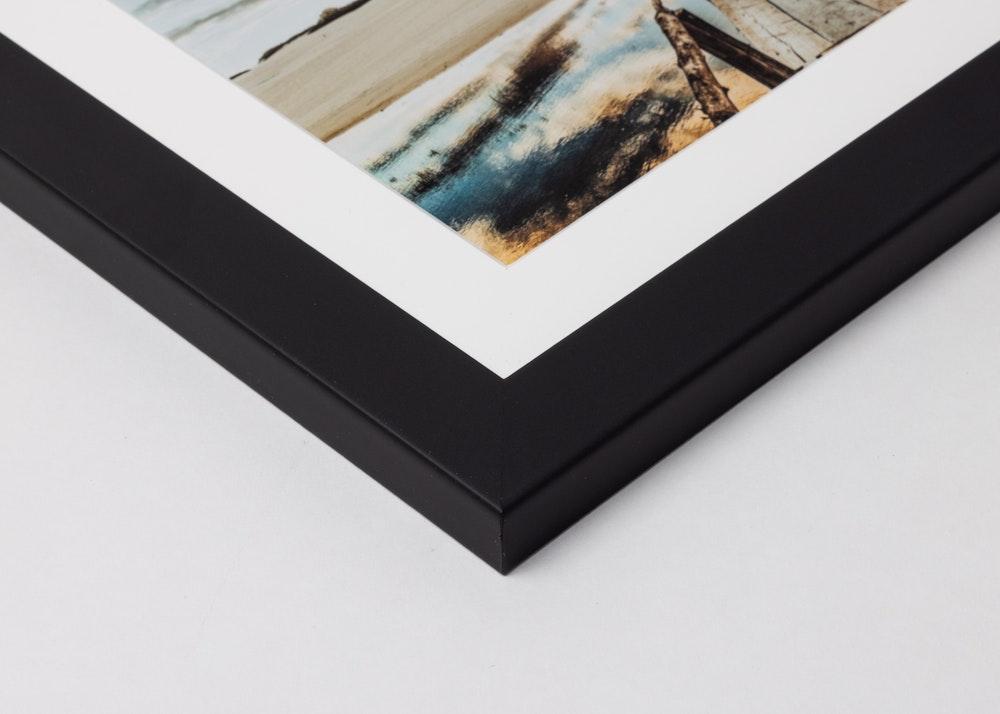
Should You Use a Mat Board?
A mat board is a piece of mounting board placed between the artwork and the frame. It creates a border of empty space around the artwork, giving the display a cleaner and more professional appearance.
Common combinations include:
- An 8×10-inch artwork in an 11×14-inch frame with a mat.
- An 11×14-inch artwork in a 16×20-inch frame with a mat.
- A 16×20-inch artwork in a same-size frame, or in a larger frame with a mat.
The mat opening is usually slightly smaller than the artwork so that the edges remain hidden beneath the mat. When buying a frame with a mat, check both the frame’s compatible artwork size and the mat opening dimensions.
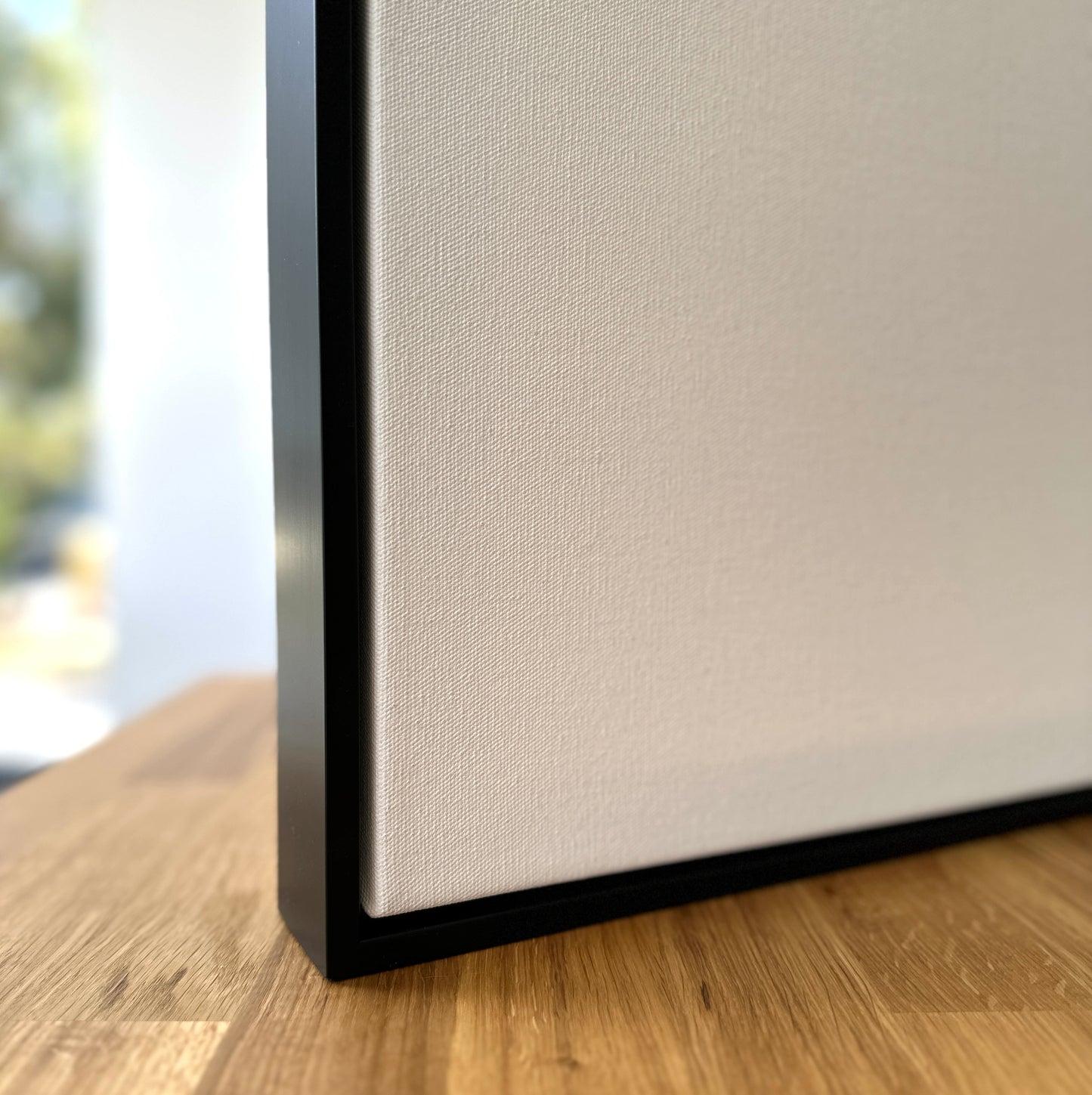
What Type of Frame Should You Choose for Stretched Canvas?
If you want to frame a canvas that has already been stretched over a wooden stretcher frame, make sure the frame is designed to accommodate its structure and depth. Standard photo frames may not be suitable because stretched canvas has a three-dimensional profile, with the canvas extending over the front and sides of the wooden frame.
Two common options are traditional frames and floater frames. A traditional frame creates a more enclosed, bordered appearance, while a floater frame leaves a small gap between the canvas edges and the frame, creating the impression that the artwork is floating inside it.
Before choosing a frame for stretched canvas: Measure the actual width, height, and depth of the canvas. Then check that the frame’s internal dimensions and mounting system are suitable. A standard photo frame may not provide enough depth for a stretched canvas.
Conclusion
If you are looking for frame sizes worth considering first, choose according to the type of artwork and your target market. In the United States, 8×10 inches is suitable for portraits and small art prints, while 4×6 and 5×7 inches work well for everyday photographs. Larger sizes, such as 16×20, 18×24, and 24×36 inches, are useful for paintings, posters, and wall decor. For European markets, 30×40, 40×50, and 50×70 cm are common sizes to consider.